

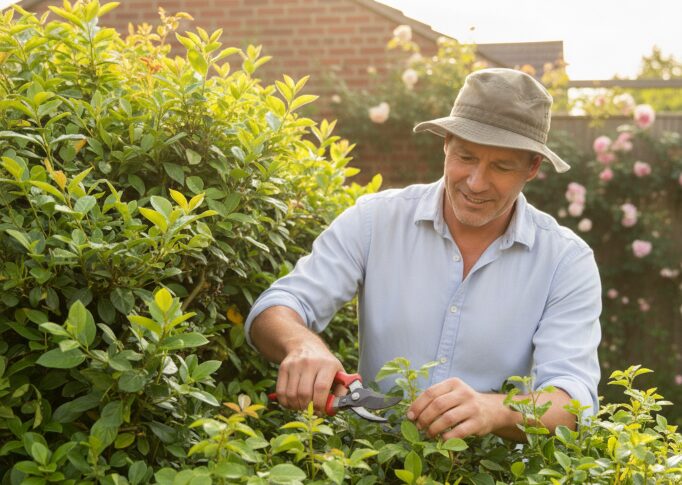
Pruning is one of those garden tasks that many people either love or avoid. Some homeowners enjoy shaping hedges and trimming roses, while others are never quite sure when the right time is. In Tasmania, where the seasons are cooler and frost is common, pruning takes on an even greater importance. Done well, it helps plants stay healthy, encourages growth, and keeps your garden looking neat year-round. If you are dealing with overgrown hedges, a professional hedge trimming service in Hobart can ensure they stay tidy and balanced throughout the seasons.
If you have ever stood in your backyard wondering whether it is too soon or too late to prune, you are not alone. The good news is that with a little understanding of Tasmania’s climate and plant types, you can follow a reliable pruning routine that keeps your garden thriving.
Pruning is not just about appearances. By cutting away dead, diseased, or overgrown branches, you are helping your plants use their energy more effectively. This can mean better flowers, stronger fruit production, and improved resistance to pests and disease.
For example, fruit trees that are pruned regularly will develop better air circulation and sunlight penetration, reducing the risk of fungal issues. Roses respond to pruning with vigorous new shoots that lead to bigger and more colourful blooms. Even hedges benefit from shaping, as it keeps them dense and uniform rather than thin and patchy.
In Tasmania’s unique conditions, pruning is also about giving plants the best chance to recover after cold winters and helping them prepare for bursts of growth in spring and summer.
Tasmania’s cool temperate climate is very different from much of mainland Australia. Winters are longer and colder, with many areas experiencing frost. Rainfall is more consistent, and summers are milder, though some regions do face dry spells.
This means that warm-season plants, which thrive in Queensland or New South Wales, often struggle here. Instead, Tasmanian gardeners tend to grow cool-season plants that respond best to pruning during or just after their dormant periods.
Timing is everything. For instance, pruning too early in winter when frost is still heavy can leave plants vulnerable to damage. On the other hand, pruning too late in the season might cut off new growth or flower buds that are about to emerge. Understanding these climate patterns is the first step to building a reliable pruning routine.
Not every plant in your garden needs the same amount of attention. Here are some general guidelines for common Tasmanian garden favourites:
Apple, pear, and stone fruit trees are best pruned once a year during winter dormancy. This allows you to remove dead wood, shape the tree, and encourage better fruiting in spring. Light summer pruning can also help keep branches under control but avoid cutting too heavily when the tree is actively producing.
Roses love a hard prune in late winter, just before spring growth begins. This cutback encourages strong new shoots and bigger blooms. A light trim in summer after flowering can also tidy them up, but the major prune is best left for the colder months.
These require more frequent attention. Fast-growing hedges may need trimming three to four times a year to maintain their shape, especially during spring and summer growth. Slower-growing shrubs might only need pruning once or twice a year. Light, regular trimming often works better than one heavy cutback.
Tasmanian native species such as banksias or grevilleas generally prefer lighter and less frequent pruning. The best time to prune them is straight after flowering. Avoid cutting into old wood, as some natives will not recover well from this.
These vary widely. Some, like Japanese maples, only need occasional thinning or shaping in winter. Others may require annual trimming to keep them balanced. Always check the specific needs of each tree variety.
Pruning is not a one-size-fits-all job. The season and growth stage of each plant matter. Here is a simple seasonal calendar you can follow for Tasmanian gardens:
This approach works hand in hand with other seasonal gardening tasks, such as managing soil health and composting garden waste during winter.
Even if you follow a seasonal schedule, sometimes plants show you when they need a trim. Look for:
If you notice these signs, it is usually safe to give the plant a light prune, even outside the main season.
The right tools make the job easier and help plants recover quickly. At a minimum, most Tasmanian gardeners should have:
Always make clean cuts at an angle, just above a bud or branch junction. Avoid leaving jagged edges that can invite pests or disease. It is also worth disinfecting your tools between plants to stop the spread of fungi or bacteria.
Pruning may seem straightforward, but common mistakes can set plants back. Some of the most frequent errors include:
If you are keen to avoid these issues, following simple garden maintenance tips for winter can set you up for healthier plants all year round.
While many homeowners enjoy pruning, there are times when it makes sense to call in the experts. Large trees, tall hedges, and dense shrubs often need specialist equipment and knowledge to prune safely.
Professional gardeners also know the best seasonal timings and techniques for Tasmanian conditions, which can save you from costly mistakes. If you are short on time, unsure about a plant’s needs, or simply want a professional finish, hiring a gardener in Hobart is a smart investment. Their expertise goes beyond pruning, often including broader services like lawn care and creating a sustainable garden in Hobart that supports long-term growth.
Pruning may take some effort, but it pays off with healthier plants, more flowers, and a garden that always looks cared for. In Tasmania, where climate plays such a big role, understanding when and how often to prune is the difference between struggling plants and a flourishing outdoor space.
Whether you are shaping hedges, encouraging fruit trees, or tidying roses, a steady pruning routine keeps everything under control. And if you ever feel unsure, The Hobart Gardeners are ready to provide expert local advice and practical help.
Get in touch today to keep your garden looking its best all year round.