

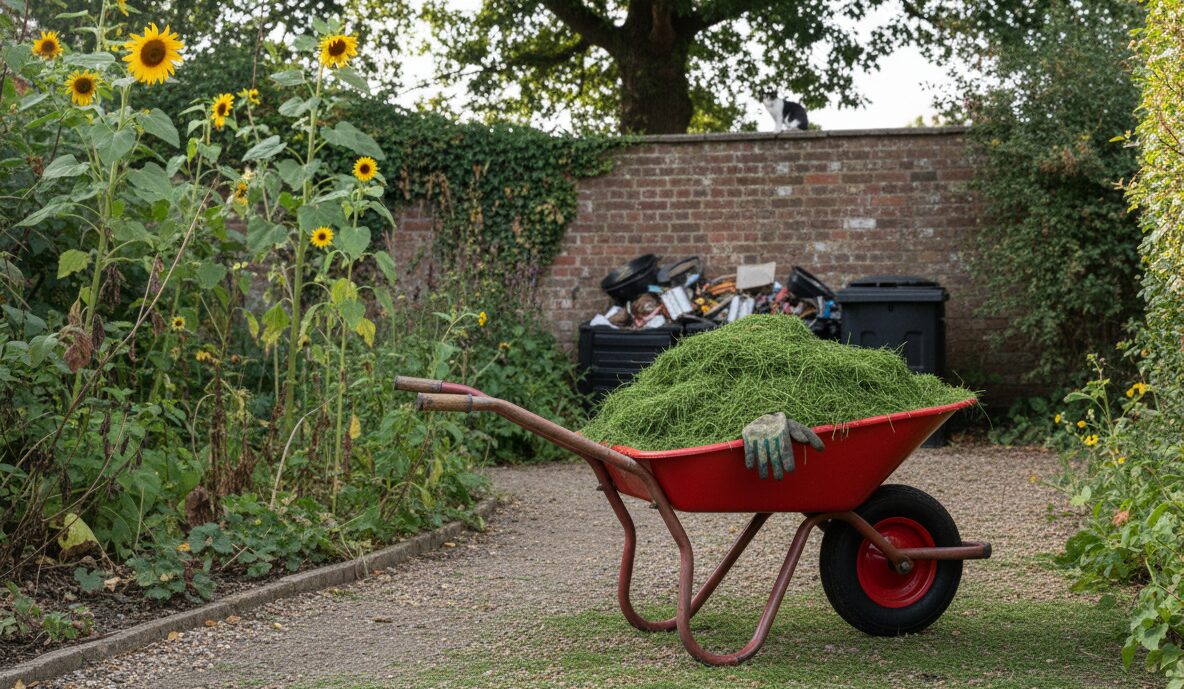
Green waste is one of the biggest by-products of a garden clean-up. Whether you have been trimming hedges, mowing the lawn, or removing old plants, you will likely end up with piles of organic material that need proper disposal. Managing this waste responsibly helps keep your property tidy, protects the environment, and can even benefit your garden in the long run.
If you have recently completed a garden clean-up and are unsure what to do next, there are several sustainable and convenient ways to deal with green waste. From composting and mulching to hiring a professional rubbish removal service in Hobart, here’s how to make the most of your garden waste.
Green waste is any organic material that comes from your garden, such as leaves, grass clippings, branches, or hedge trimmings. While it may seem harmless, improper disposal can have serious environmental effects. Dumping garden waste into natural areas can spread weeds or pests, while burning it can release unnecessary carbon emissions.
Proper green waste disposal helps reduce landfill, improves soil health, and keeps your garden sustainable. The goal is to reuse, recycle, or responsibly dispose of garden waste in ways that support the environment rather than harm it.
Before you start sorting, it helps to know what qualifies as green waste. Common examples include:
It’s important to separate green waste from general rubbish like plastics, glass, or treated wood. Mixing them can make recycling and composting much harder. By keeping organic materials separate, you make the disposal process smoother and more sustainable.
Many homeowners don’t realise that garden waste can contribute to pollution when it’s not handled correctly. Dumping green waste into bushland or waterways leads to nutrient overload, which can damage local ecosystems. Burning waste might seem like a quick fix, but it releases carbon dioxide and can cause air quality issues.
Leaving waste piles to rot can also attract pests and create foul odours. The most environmentally responsible approach is to recycle or reuse green waste. Doing so reduces the amount of organic material ending up in landfill and supports a cleaner, healthier environment.
Composting is one of the simplest and most rewarding ways to deal with garden waste. By breaking down organic materials naturally, composting turns leaves, clippings, and food scraps into rich, nutrient-filled soil that can be reused in your garden.
To start composting:
Within a few months, you will have healthy compost that improves soil texture and boosts plant growth. If you want a deeper guide on managing garden waste sustainably, check out our article on composting garden waste during winter.
Mulching is another effective way to reuse your green waste. By shredding branches, leaves, and hedge trimmings, you can create a natural ground cover that benefits your plants and soil.
Mulch helps:
You can make mulch using a garden shredder or by hiring professionals to process it for you. Spread it evenly around plants and trees, keeping a small gap around the stems to prevent rot. This simple step reduces waste and keeps your garden thriving.
Sometimes, the amount of green waste after a garden clean-up can be overwhelming. Large piles of branches, heavy logs, or bulky debris are difficult to handle without the right equipment. In these cases, it is best to call in professionals.
A local rubbish removal service can collect all your garden waste in one go and dispose of it properly. This saves time, ensures safety, and helps you avoid multiple trips to the tip. Professionals also know how to separate recyclable materials and transport them to approved facilities.
If you have just finished a large pruning or landscaping project, professional help is the most efficient and environmentally responsible option.
Many councils across Hobart and surrounding areas offer green waste collection services. These programs make it easier for residents to dispose of garden debris without visiting a recycling centre.
Here are a few tips to keep in mind:
For large loads or irregular waste types, you might still need to contact a professional disposal service. Combining council collection with regular gardening maintenance keeps your yard clean and compliant.
If you frequently handle large amounts of garden waste, there are several eco-friendly alternatives to consider:
These options reduce landfill impact and help turn waste into something useful for the community.
Many people unknowingly make errors when dealing with green waste. Avoid these common pitfalls:
By following correct disposal methods, you not only protect the environment but also save yourself extra effort in the long run.
Dealing with green waste does not have to be difficult. By composting, mulching, or using professional services, you can turn waste into something valuable while keeping your garden clean and eco-friendly. Every small effort counts toward reducing landfill and promoting a sustainable environment.
If your recent garden clean-up left you with piles of waste you do not want to handle yourself, reach out to the experts at The Hobart Gardeners. Our friendly team provides efficient and responsible waste removal that saves you time and effort while ensuring your garden looks its best.
Contact us today for professional, eco-friendly green waste disposal across Hobart and nearby areas.